What is a Vacuum Cavitation Machine and How Does It Work?
In recent years, the beauty and wellness industry has seen a surge in innovative technology, particularly with the introduction of the Vacuum Cavitation Machine. Dr. Emily Zhang, a leading expert in aesthetic technologies, highlighted its potential by stating, “Vacuum Cavitation Machines can redefine body contouring.” This equipment is renowned for its ability to break down fat cells using ultrasonic waves and vacuum suction.
The mechanics behind a Vacuum Cavitation Machine are fascinating. It combines negative pressure with sound waves to target stubborn fat areas. Many users have reported visible results after a few sessions. However, it’s essential to manage expectations. Results can vary significantly among individuals.
While the technology holds promise, some questions linger. Are there potential long-term effects? Does the machine work for everyone? It's vital to approach treatments with caution and consider personal health conditions. The journey with a Vacuum Cavitation Machine can lead to transformative changes, but awareness and understanding are key.
What is a Vacuum Cavitation Machine?
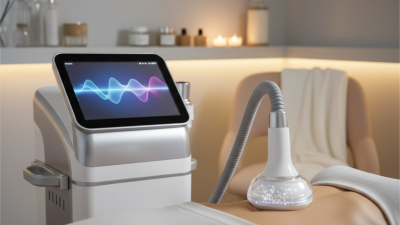
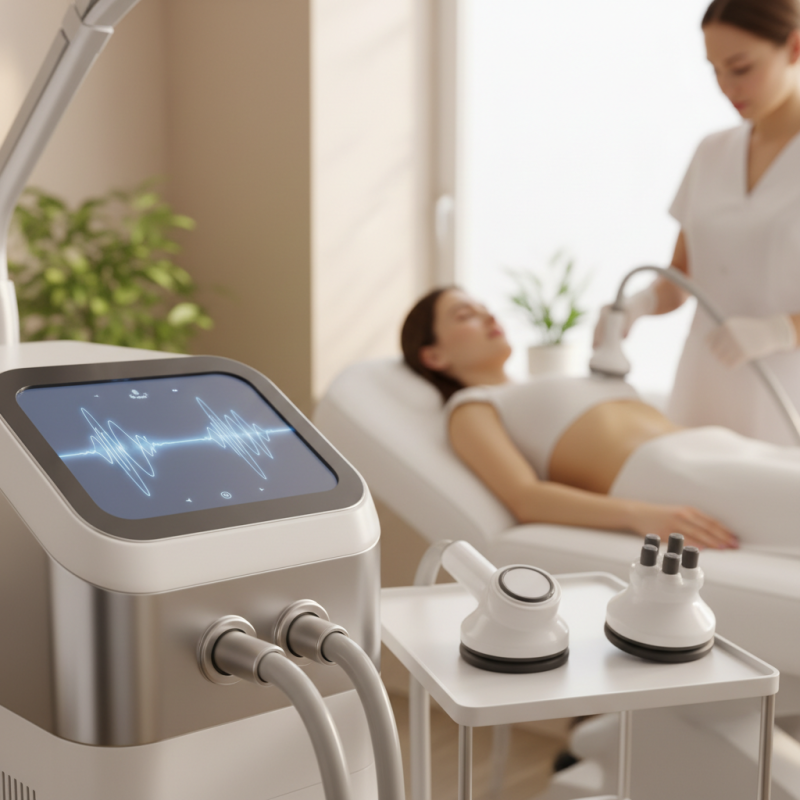
A vacuum cavitation machine is a device used in beauty and wellness treatments. It utilizes ultrasonic waves to create bubbles in a liquid medium. When these bubbles implode, they produce pressure waves that target fat cells. This process encourages the breakdown of fat and can lead to body contouring.
The machine combines two effective technologies: vacuum suction and ultrasound. The vacuum function helps to lift the skin, enhancing penetration and effectiveness. Meanwhile, the ultrasound waves work deep beneath the surface. Some users report a tingling sensation. It's crucial to acknowledge that results can vary significantly from person to person.
However, not all experiences are perfect. Some users may feel discomfort during or after the treatment. Inconsistencies in results can also lead to frustration. Many factors influence the outcome, including individual body composition and lifestyle. While the machine shows promise, it requires realistic expectations and a commitment to a healthy regimen for optimal results.
Principle of Operation for Vacuum Cavitation Technology
Vacuum cavitation technology leverages the principles of physics to create powerful ultrasonic waves within a liquid medium. This process generates microscopic bubbles in a vacuum environment. When these bubbles collapse, they produce tiny shockwaves. These shockwaves can disrupt fat cells, making this technology popular in aesthetic treatments.
Research indicates that vacuum cavitation machines can significantly reduce localized fat deposits. A study from the Journal of Aesthetic Surgery found that patients experienced an average reduction in body circumference of up to 3.6 cm after several sessions. This data underscores the effectiveness of this technology in body contouring.
However, vacuum cavitation is not free from limitations. Results can vary based on individual body types, metabolic rates, and treatment regimens. Some users reported minimal changes in stubborn areas. It's important to have realistic expectations and understand that lifestyle factors play a crucial role in overall results. While vacuum cavitation machines show promise, they are not a one-size-fits-all solution and should be part of a comprehensive approach to wellness.
Applications of Vacuum Cavitation Machines in Aesthetics
Vacuum cavitation machines have gained prominence in the aesthetics industry. These devices utilize advanced technology to create tiny bubbles in a liquid. When these bubbles implode, they produce a powerful energy that can promote various skin and body therapies. The results can be remarkable, leading to smoother skin and reduced fat deposits.
In aesthetic practices, vacuum cavitation machines serve multiple purposes. They are often used in body contouring treatments to target stubborn fat areas. Many clinics report visible results after just a few sessions. Additionally, the machines aid in skin rejuvenation. Clients often leave feeling refreshed and revitalized, expressing their satisfaction with the immediate effects.
However, the efficacy is not universal. Some clients report minimal changes, raising questions about individual responses to treatment. The experience can vary widely, and expectations should be managed carefully. While many benefit from the technology, a critical eye on results is important. Aesthetic treatments are not one-size-fits-all, and ongoing discussions about personal goals and realistic outcomes remain essential in this evolving field.
Benefits of Using Vacuum Cavitation for Body Contouring
Vacuum cavitation machines are increasingly popular for body contouring. They use ultrasound pressure waves to target fat cells. The process helps break down fat, resulting in a slimmer appearance. Many people seek this treatment for its non-invasive nature. It promises visible results without the need for surgery.
The benefits of using vacuum cavitation are noteworthy. It can enhance skin elasticity and improve blood circulation. Many clients report smoother skin texture after treatments. It often helps in reducing cellulite. Results may vary, with some experiencing great changes while others see minimal improvement. Every body reacts differently to the process.
Tips: Stay well-hydrated before and after your sessions. Drinking water can help flush out the broken-down fat cells. Additionally, consider maintaining a healthy diet to maximize your results. It’s also essential to have realistic expectations. Not everyone will achieve the same results, and slight adjustments may be needed. Listen to your body and consult a professional if you have doubts.
Safety Considerations and Potential Side Effects of Treatment
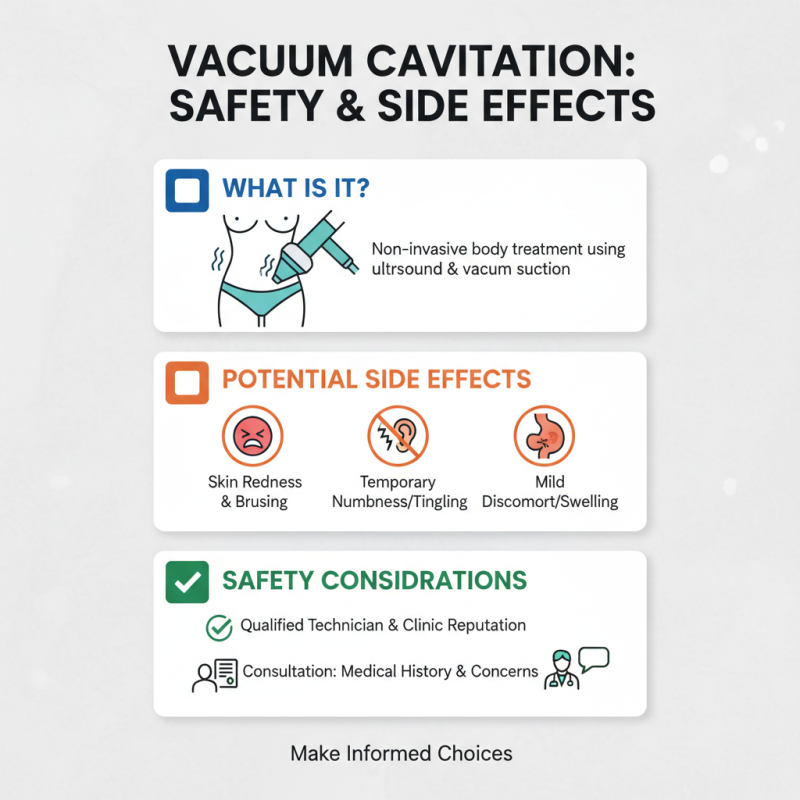
Vacuum cavitation machines have gained popularity for non-invasive body treatments. However, potential side effects and safety considerations are crucial for consumers. Understanding these aspects can help individuals make informed choices.
Some common side effects may include mild swelling or redness post-treatment. These usually subside quickly. In rare cases, bruising can occur, particularly in sensitive areas. It's important to be aware of personal sensitivity levels. Communication with a licensed practitioner is vital for safety.
Patients should also consider their health history. Certain conditions may increase risks. If there's a history of skin issues or circulatory problems, consultation is key. Generally, vacuum cavitation is safe for most people, but vigilance in monitoring your experience during sessions is essential. Reflecting on personal responses to the treatment can guide future decisions and enhance overall outcomes.