How to Choose the Best Diode Laser Machine for Your Needs?
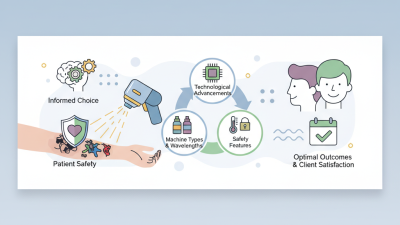
Choosing the right Diode Laser Machine can significantly impact your productivity and results. With so many options available, the decision becomes overwhelming. You should consider your specific needs and preferences carefully. Factors like power settings, wavelength, and cooling mechanisms matter deeply.
Think about your target applications. Different machines excel in various areas. For example, some are better for hair removal, while others might be suitable for tattoo removal. The machine's ease of use is also important. A complicated interface might hinder your workflow.
Take time to research and compare models. Read reviews and consult with professionals. Reflect on what features are really necessary for your work. A machine that seems perfect may not fit your unique requirements. This process requires thought and attention to detail. Making a hasty choice could lead to regrets down the line.
Understanding Diode Laser Technology and Its Applications
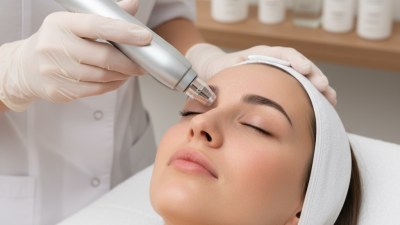
Diode laser technology has revolutionized various industries. These machines are used for hair removal, skin rejuvenation, and even dental procedures. The efficiency of diode lasers lies in their ability to produce a concentrated beam of light. This beam targets specific tissues without damaging surrounding areas. A recent report indicates that the global diode laser market is projected to reach $9.2 billion by 2027, highlighting its growing significance.
Understanding the applications of diode lasers is crucial. In aesthetic medicine, they provide effective treatments for unwanted hair with minimal discomfort. Studies show that patients experience a 75% reduction in hair growth within just a few sessions. However, not all diode lasers are created equal. Some users report inconsistent results based on the machine’s specifications. This indicates the need for careful selection when choosing a diode laser machine.
Moreover, diode lasers have applications beyond aesthetics. They are also utilized in manufacturing and telecommunications. For instance, they enable high-speed data transmission with minimal signal loss. The adaptability of these lasers makes them integral to various fields, but sometimes they fall short in energy efficiency. Understanding the technology helps users make informed decisions. It is essential to weigh the benefits against the limitations for optimal use.
Key Features to Consider When Selecting a Diode Laser Machine
When selecting a diode laser machine, consider power output. The wattage level impacts efficiency. Higher wattage can provide faster treatments but may not always be necessary. An optimal choice balances power for your specific tasks. Precision is equally important. Look for machines with adjustable settings to customize treatment options. This feature allows you to tailor services to individual client needs.
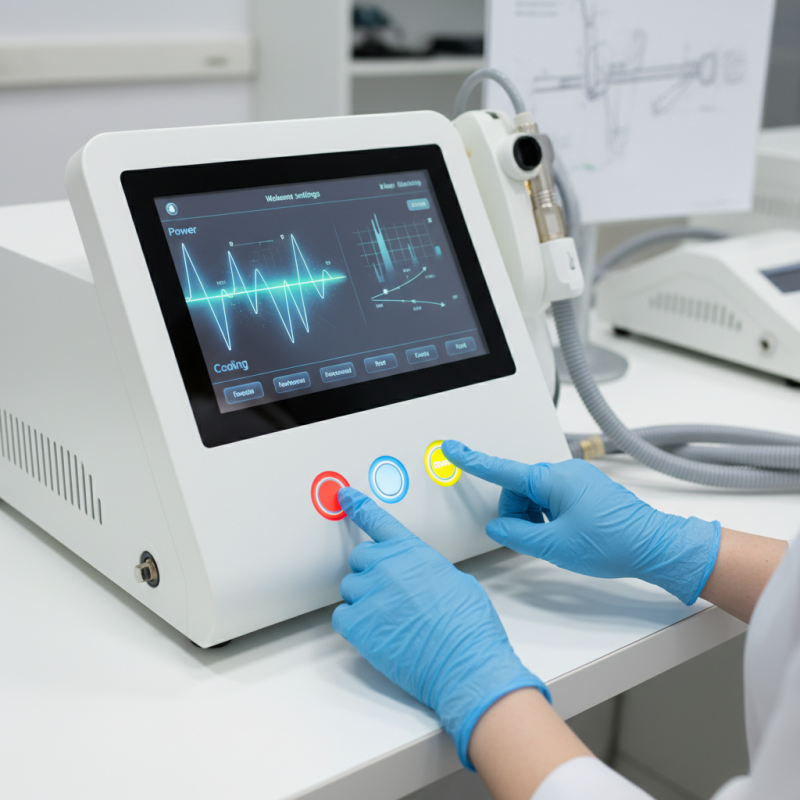
Additionally, pay attention to the cooling system. Effective cooling prolongs machine life and enhances user comfort. Some systems may be too loud or cumbersome. Evaluate how this might affect your workspace. Also, assess user interface and training requirements. A complex interface can complicate operations. Choose a model that promotes ease of use for you and your team.
Lastly, consider portability. Some machines are heavier and require dedicated space. If you plan to move the machine, weight and size are crucial. Reflect on your workspace dynamics. Choosing the right diode laser machine involves practical considerations. Think about how each feature aligns with your service goals, and adapt as needed.
How to Choose the Best Diode Laser Machine for Your Needs? - Key Features to Consider When Selecting a Diode Laser Machine
| Feature |
Description |
Importance |
| Wavelength |
The wavelength of the laser determines its effectiveness for different skin types and hair colors. |
High |
| Power Output |
Higher power output usually results in faster and more effective treatments. |
High |
| Cooling System |
An efficient cooling system enhances patient comfort and minimizes adverse effects. |
Medium |
| Pulse Duration |
Shorter pulse durations can be more effective for specific hair types. |
Medium |
| Treatment Depth |
The ability to penetrate different layers of skin effectively. |
High |
| Footprint Size |
The physical size of the machine can impact how easily it fits in your workspace. |
Medium |
| User Interface |
A user-friendly interface increases operational efficiency and reduces training time. |
High |
| Warranty and Support |
Good warranty and support options protect your investment against performance issues. |
High |
Assessing Your Specific Needs and Budget for Laser Equipment
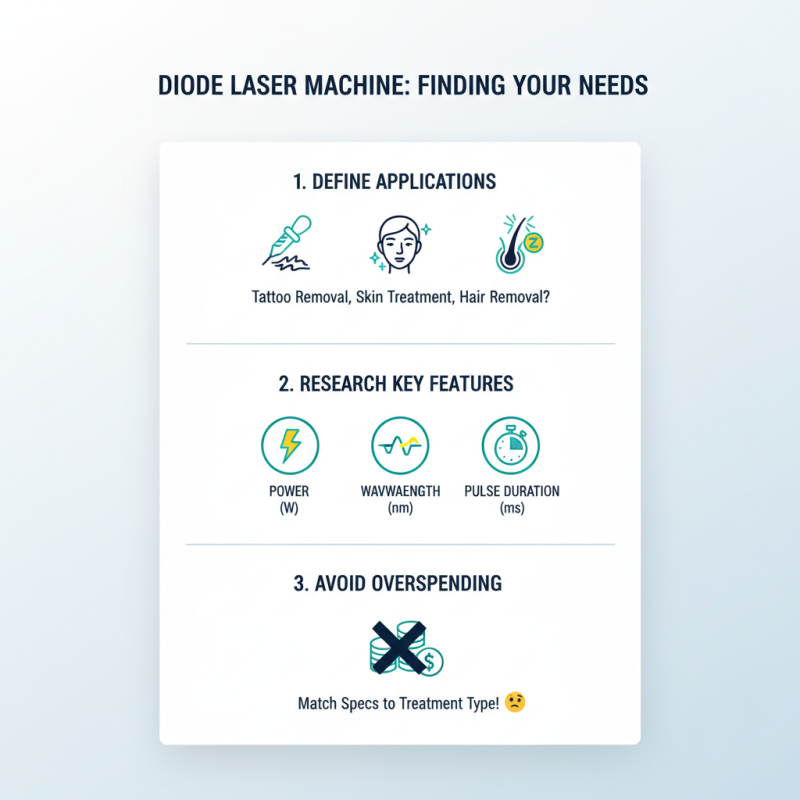
When assessing your specific needs for a diode laser machine, clarity is key. Start by defining the applications you plan to use the machine for. Will it be for tattoo removal, skin treatment, or maybe hair removal? Each application demands different features. Gather more information on the required power, wavelength, and pulse duration for your chosen treatment. Without this, you risk overspending on a machine that doesn't meet your needs.
Next, establish a budget that reflects your goals. Finding cost-effective options is beneficial, but don't compromise quality for a lower price. Consider the long-term value of the machine. Cheaper units may lead to higher maintenance costs. Think about your expected usage. If you plan to use the machine often, it may be smart to invest more upfront. Research various features like portability and user-friendliness to ensure a seamless experience.
Reflect on your choices. Are you swayed by flashy advertisements? Dive deeper into the specifications. Sometimes, a machine with fewer features might be perfect for your needs. Assess how often you might need to upgrade or invest in training for staff. This planning will save you frustration in the future. The right diode laser machine should not only meet your current needs but also adapt as your business evolves.
Comparing Different Brands and Models of Diode Laser Machines
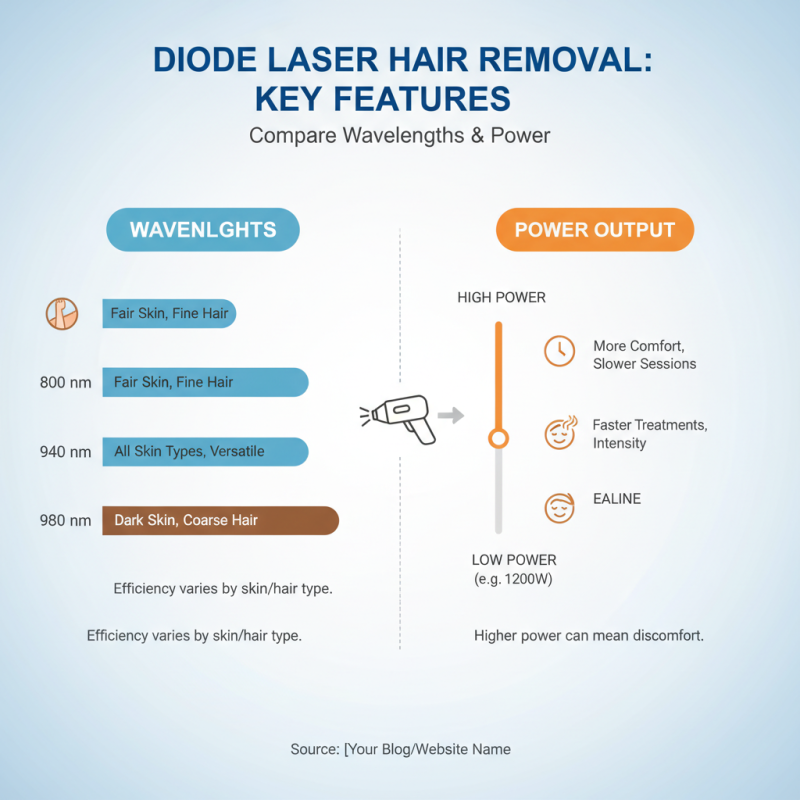
When comparing different brands and models of diode laser machines, it’s essential to focus on key features. Look at the wavelength each model offers. Common wavelengths range from 800 nm to 980 nm, affecting the treatment efficiency for various skin types. Also, consider the power output. Higher power may mean faster treatments, but it can also impact comfort levels.
Next, evaluate the build quality. Some machines may seem robust but have a shorter lifespan. Pay attention to user feedback on maintenance. A reliable machine may need less frequent servicing, saving you time and money in the long run. Take note of the ergonomic aspects as well. A comfortable design can enhance usability but might not be available on all models.
Finally, consider the training and support provided with each option. A company that offers comprehensive training can ease the adaptation process. However, some users might feel overwhelmed by the initial learning curve. Reflect on whether the included resources are sufficient for your needs. Each brand has its pros and cons, which can lead to difficult decisions when choosing.
Maintenance and Support: Factors to Enhance Your Purchase Decision
When choosing a diode laser machine, maintenance and support are critical factors. You need to consider the availability of customer service. A machine is only as good as the support behind it. What if you encounter a problem? Will help be readily available? Examine the warranty details closely. A longer warranty can provide peace of mind.
Regular maintenance is essential for longevity and performance. Ask about maintenance services. Some manufacturers offer training sessions for proper care. It’s important to understand how to clean and calibrate the machine. Engaging with online communities or support forums can also be beneficial. Users share their experiences and might highlight common issues.
Consider the documentation provided with the machine. Clear manuals can guide owners through troubleshooting. It’s frustrating when guidance is vague. Look for user reviews focusing on support experiences. Sometimes, the best machine option is the one backed by attentive service. Take time to reflect on what you truly need. This decision shapes your future in laser technology.
Maintenance and Support Factors to Consider When Choosing a Diode Laser Machine